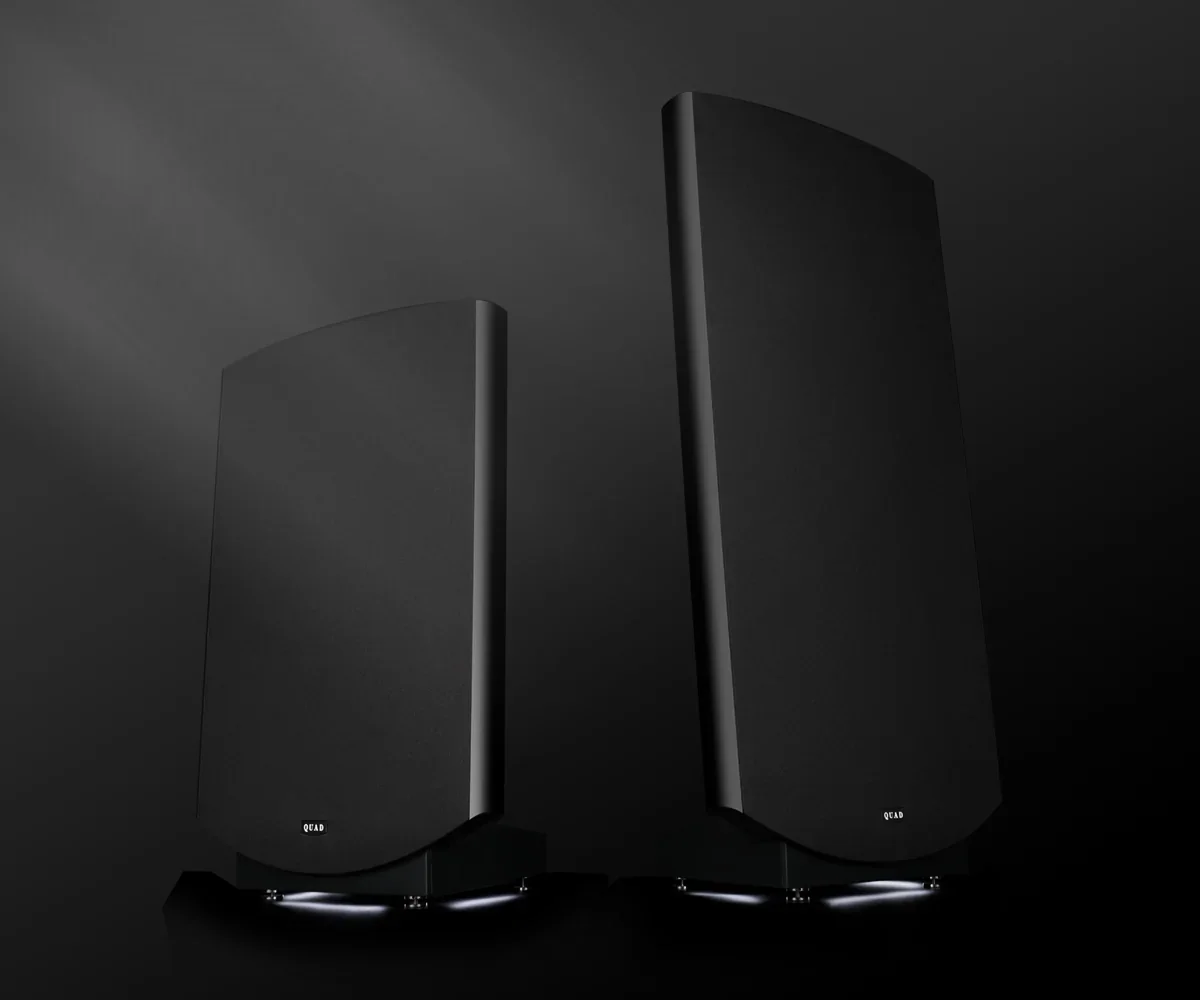
Quad ESL X
7 decades of musical refinement
In 1957, Quad introduced a loudspeaker that worked fundamentally differently from the dynamic speakers around it. Instead of a cone driven by a voice coil and magnet, the original Quad ESL used an electrically charged, large, extremely lightweight diaphragm driven across its surface by an electrostatic field.
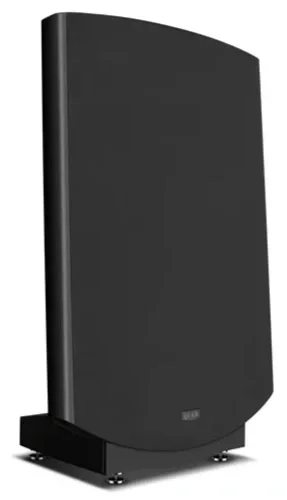
ESL X is the latest generation of Quad’s electrostatic loudspeaker, incorporating advancements in panel manufacturing, redesigned electronics and new audio transformers while preserving the principles that have defined the ESL: exceptionally low moving mass, low distortion and a presentation prized for its clarity, coherence and immediacy.
The ESL X range comprises two models: the more compact ESL 2812X and the larger ESL 2912X.
The Quad ESL 2912X is coming to Backbeat Audio in Portland.
The Quad electrostatic idea
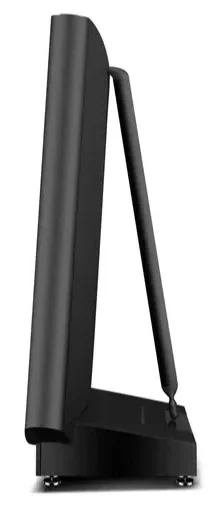
A Quad ESL works differently. An extremely thin, electrically charged diaphragm is suspended between two perforated metal plates. As the audio signal changes the electrostatic field between them, the diaphragm moves and produces sound.
The distinction matters because the diaphragm is extraordinarily light and is driven across its surface rather than from a voice coil attached at one point. The result is very low distortion and an ability to respond to small changes in the musical signal with exceptional speed and precision.
Those qualities have defined the Quad ESL since the original model. They help explain the things listeners have long prized about these speakers: the natural reproduction of voices and acoustic instruments, precise spatial information, and an immediacy that can make the loudspeaker itself seem to disappear.
Nearly seven decades later, the basic idea remains compelling. Quad hasn’t preserved the ESL for the sake of nostalgia. It has continued developing it because there are aspects of reproduced music that an electrostatic diaphragm can do like no other transducer.
What you hear
The enduring appeal of a Quad ESL isn’t really about electrostatic technology. It’s about what happens when so little material stands between the audio signal and the sound you hear.
Voices have an uncanny sense of presence. The texture and body of acoustic instruments emerge with an unusual sense of ease. Small changes in phrasing, the decay of a note, and the acoustic space around performers remain intact rather than being blurred into the larger presentation.
Just as important is the way those details arrive together. Quad’s concentric panel architecture allows music to appear as a coherent event rather than as separate drivers reproducing different parts of the spectrum.
That combination—low distortion, very low moving mass and coherent radiation—is why Quad ESLs have acquired such a reputation for making the machinery of reproduction recede. Attention shifts away from bass, treble, imaging and other audiophile attributes and toward the people making the music.
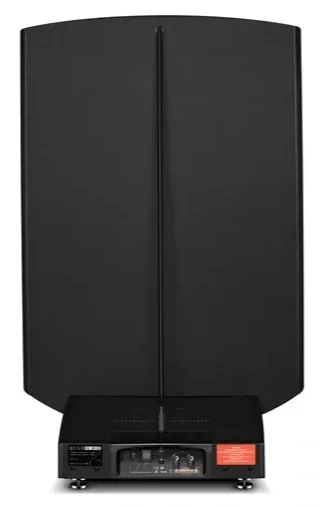
Why we chose an electrostatic
There are easier ways to build a loudspeaker. Nearly every speaker at Backbeat uses some variation of the familiar cone, voice coil and magnet because that approach can work extraordinarily well.
The Quad interests us precisely because it offers another answer.
The ESL has continued for nearly seventy years not because an electrostatic loudspeaker is inherently exotic, but because the things it does well remain difficult to achieve by other means. The ability to reproduce voices, instrumental tone, spatial relationships and small dynamic changes with very little apparent editorializing is still unusual—and immediately relevant to anyone who cares more about the performance than the technology reproducing it.
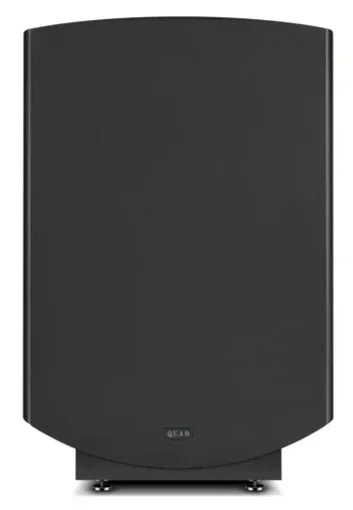
That makes the ESL 2812X something we particularly want people to experience rather than simply read about. Bring along a familiar piece of music and hear for yourself what makes this speaker special.
What’s new in the ESL X
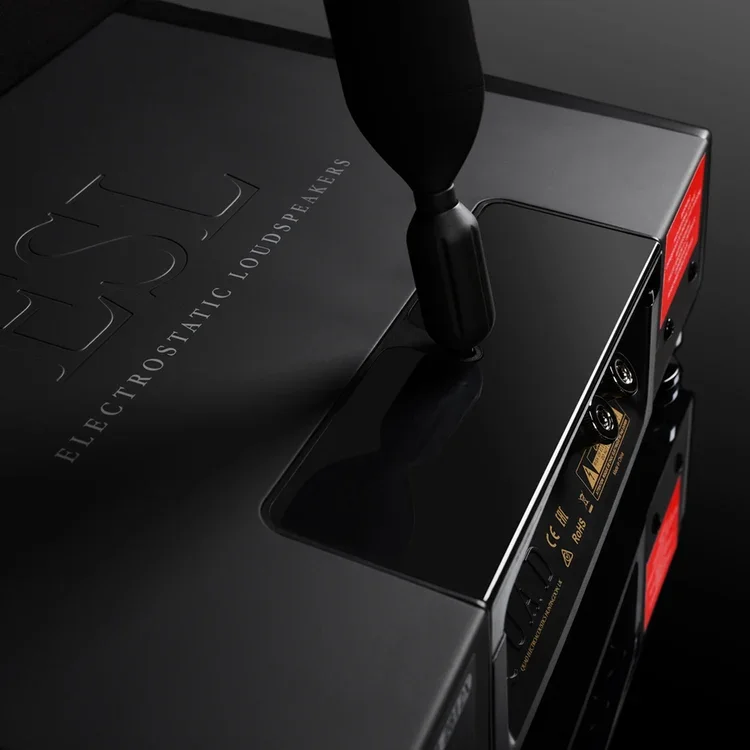
ESL X is the result of a review Quad began in 2019 of virtually every aspect of how its electrostatic speakers are made. The fundamental design didn’t change. Instead, Quad refined the processes used to manufacture and assemble the electrostatic panels, with the goal of greater consistency, performance and long-term reliability.
The electronics received more substantial changes. Separating the sensitive audio circuitry from the speaker’s high-voltage section reduces interference and improves stability, while new UK-built audio transformers extend bandwidth and improve linearity. Quad says the audible gains include greater clarity of instrumental harmonics, more air and spatial information, more precise timbre, and improved transient response—particularly in the bass.
Nearly seventy years later, Quad is still finding more in Peter Walker’s radical idea.
Quad ESL X specifications
| ESL 2812X | ESL 2912X | |
|---|---|---|
| Design | Electrostatic dipole | Electrostatic dipole |
| Electrostatic panels | 4 | 6 |
| Sensitivity | 86dB / 2.83V / 1m | 86dB / 2.83V / 1m |
| Nominal impedance | 8 ohms | 8 ohms |
| Frequency response (-6dB) | 37Hz–21kHz | 32Hz–21kHz |
| Usable bass extension | 33Hz | 28Hz |
| Dimensions (H × W × D) | 1070 × 690 × 380mm | 1470 × 690 × 380mm |
| Weight | 35kg each | 44kg each |
| U.S. price | $14,995/pair | $17,995/pair |