
Lab12 dac1 reference
Music in One Piece
Music isn’t built from individual notes. It’s created by the relationships between them.
The dac1 reference is built to preserve those relationships. Rather than dissecting recordings into ever-smaller details, it recreates the connections between tone, timing, and space that allow a performance to unfold as a connected whole. The result is digital playback that communicates with remarkable naturalness, drawing your attention toward the music instead of the technology behind it.
Built Around the Music
The dac1 reference is the product of many deliberate decisions working toward a common goal.
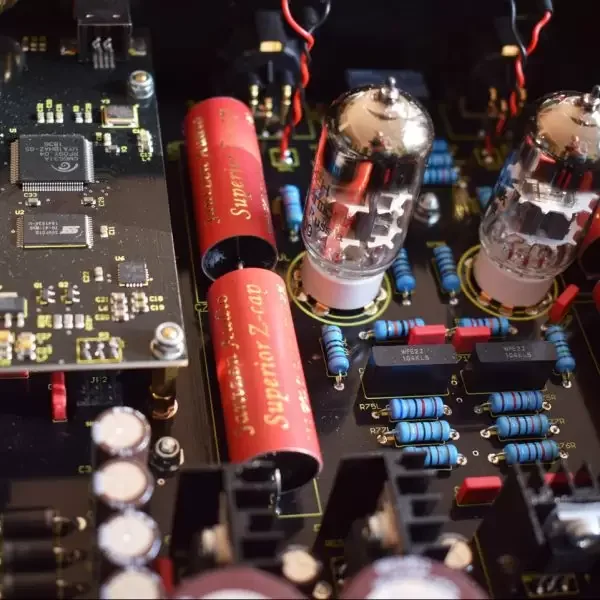
Eight carefully matched Philips TDA1543 multi-bit DACs operate in parallel using a non-oversampling architecture before handing the signal to a dual-triode analog output stage. Six independently regulated power supplies, a toroidal transformer, and Lab12’s SRSG® and Fine Symmetry® implementations provide each stage with the clean, independent foundation it needs to perform at its best.
None of these elements exists in isolation because none was chosen in isolation. Each contributes to a presentation that preserves the relationships within the music, allowing it to retain its natural flow from the first note to the last.
The Whole Performance
The dac1 reference has an uncommon ability to preserve the character of a performance.
Details are neither spotlighted nor obscured. They emerge within the context of the performance itself, where every musical idea supports the next and every instrument contributes to the whole.
The music arrives as a complete thought.
The interplay between vocalist and accompaniment, the musical line that carries a theme or introduces a new idea, flows naturally, carrying the listener with it. Harmonic overtones reveal the individuality of voices and the distinct character of each instrument. The rhythmic interplay between musicians remains intact, making it easy to follow not only what each is playing, but how they’re listening and responding to one another.
In Your System
Whether partnered with a dedicated CD transport or a network bridge like the Wattson Emerson Digital, the dac1 reference becomes the musical center of a digital front end.
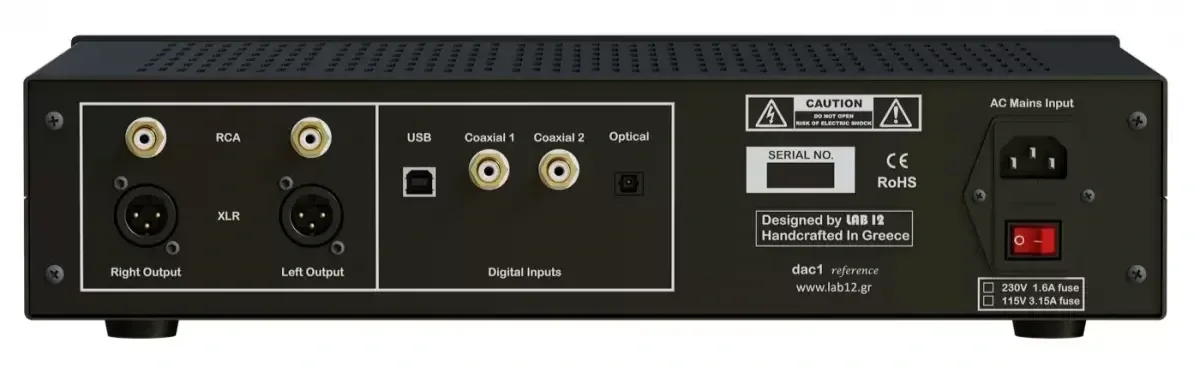
Four digital inputs allow multiple sources while both RCA and XLR outputs make integration with a wide range of systems straightforward. Supporting PCM playback up to 24-bit/192 kHz, the dac1 Reference focuses on extracting the full musical value from today’s digital music libraries rather than chasing specifications for their own sake.
Specifications
Format: PCM up to 24/192
Inputs: 2 SPDIF (RCA), 1 USB2, 1 Toslink
Outputs: RCA, XLR unbalanced (balanced available)
Tube complement: 2 6922 dual triode
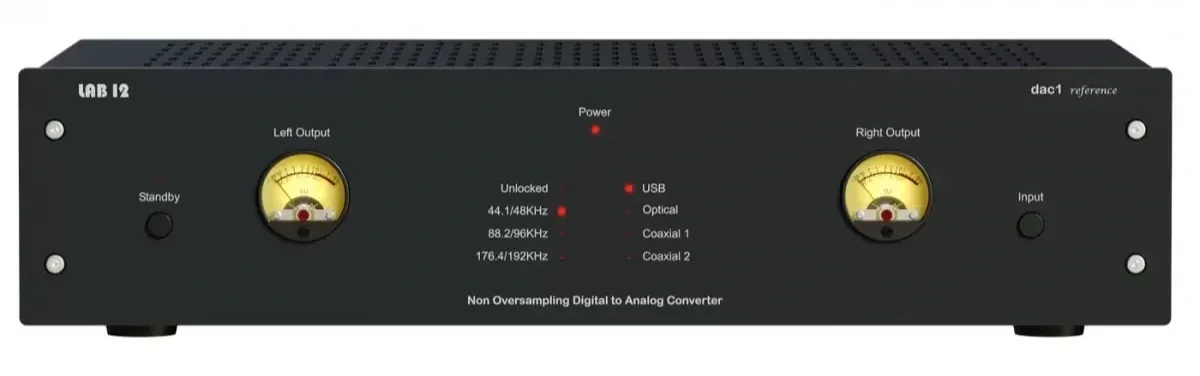
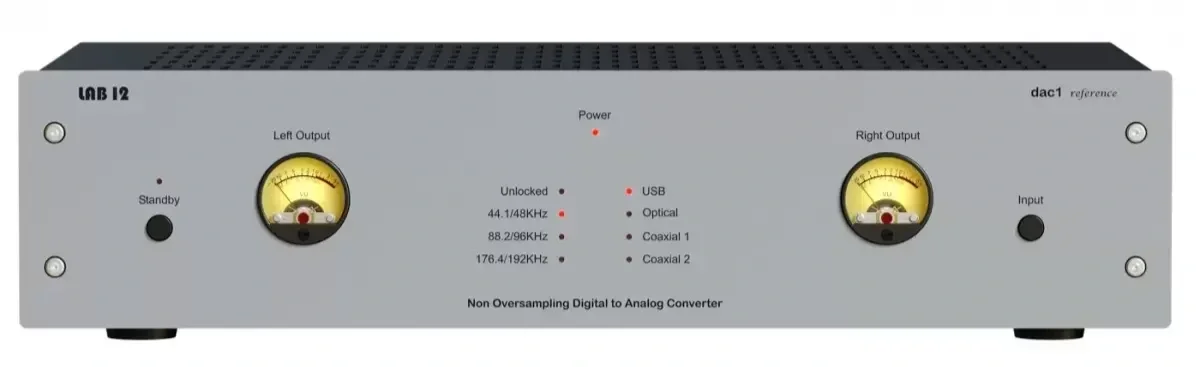
Available Colors: Matt Black, Frozen Silver
Dimensions: 43x11x29 cm (WxHxD)
Weight: 7.5 Kg
Price: $3795